September 22, 2026
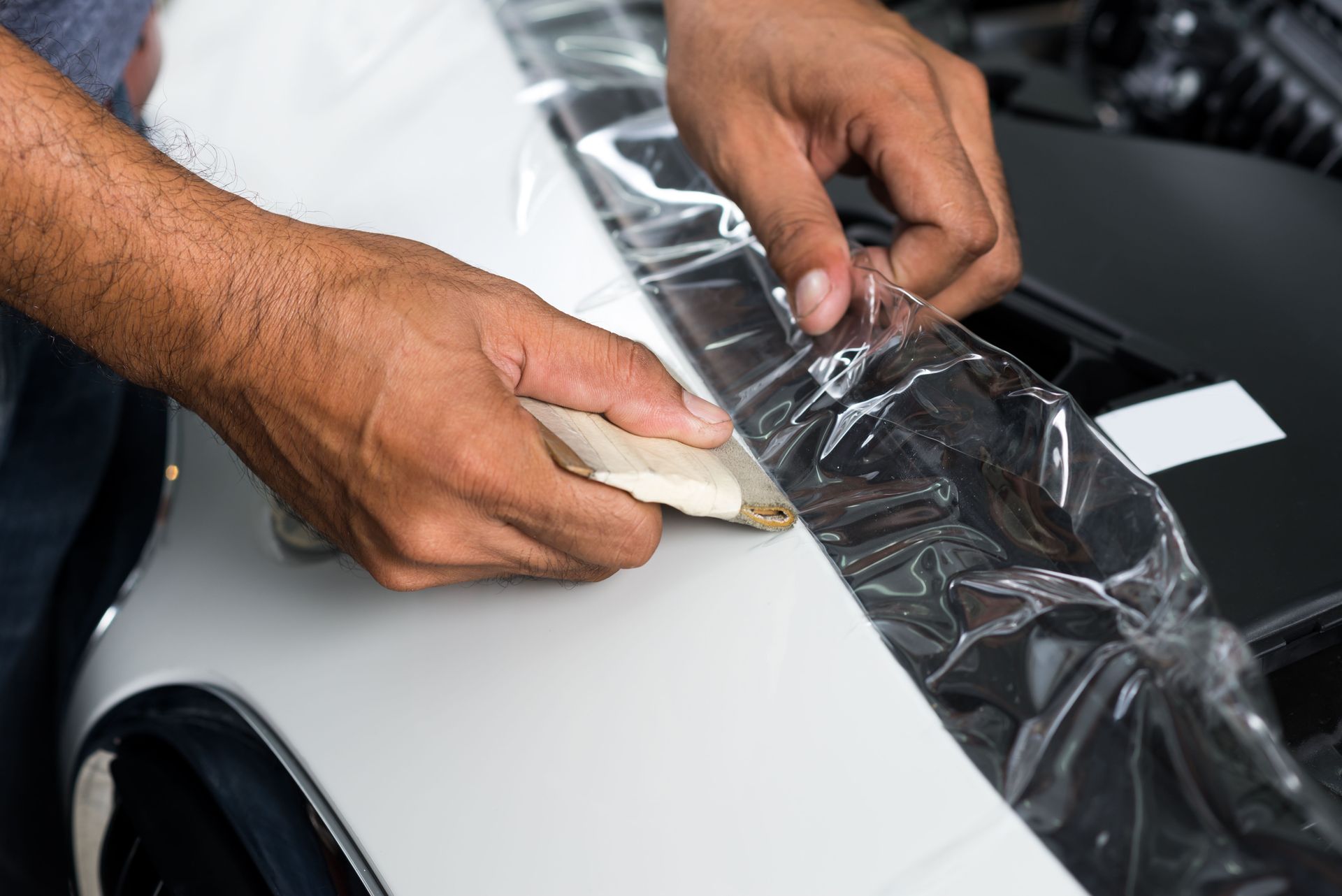
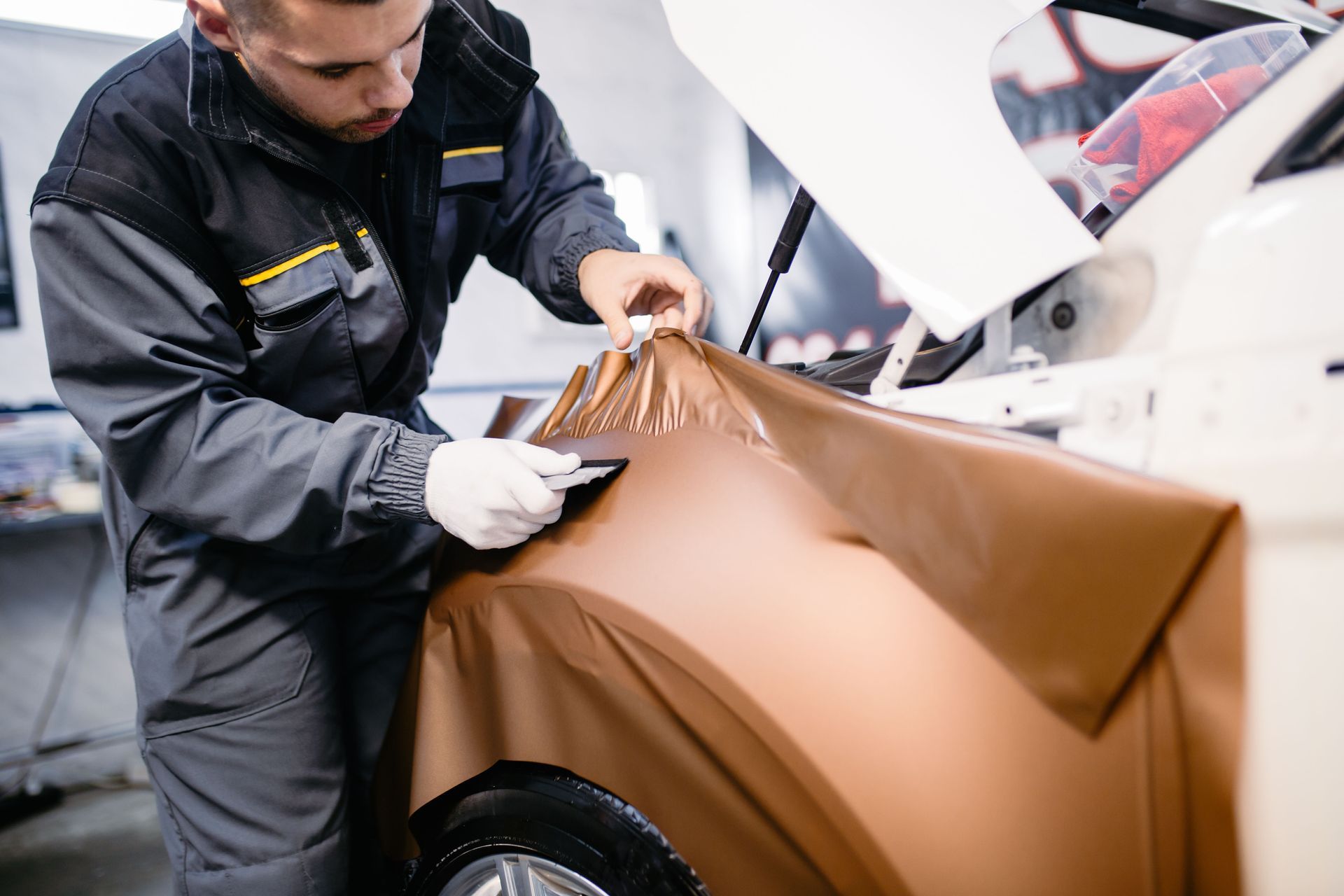
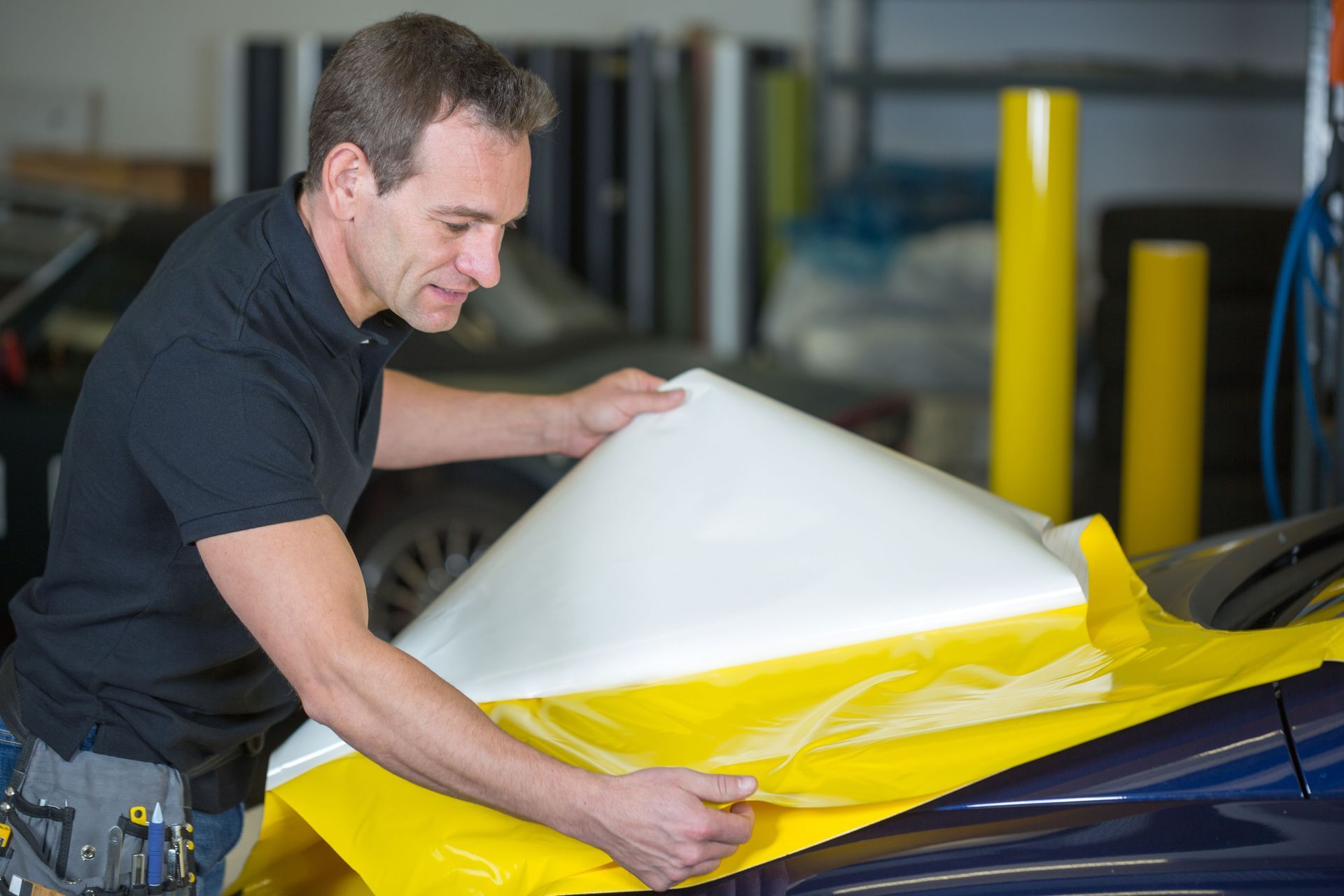
Protecting a vehicle's exterior from road debris, scratches, and environmental damage can help preserve its appearance and value. Paint protection film provides a physical barrier between a vehicle's painted surfaces and many of the hazards encountered during everyday driving. However, like any automotive product, it does not last indefinitely. Its lifespan depends on the quality of the material, installation, maintenance, and conditions the vehicle regularly encounters.
Knowing how long paint protection film should last and recognizing the signs of deterioration can help vehicle owners determine when replacement is necessary. Regular inspections can also prevent a small problem from developing into damage that affects the paint underneath.
How Long Does Paint Protection Film Typically Last?
The expected lifespan of paint protection film varies depending on the product and how the vehicle is used. High-quality film that is properly installed and maintained can commonly last for several years before it begins showing significant signs of deterioration. Some premium products may remain effective for a decade or longer under favorable conditions.
The film's construction also plays an important role. According to Forbes, paint protection film materials generally range from about seven to 11 mils in thickness. Thickness is only one consideration, however, because the film's chemical composition, protective coatings, and resistance to ultraviolet exposure can also affect its longevity.
A vehicle that spends most of its time parked in a garage and is driven primarily in mild conditions may experience considerably less wear than one that is driven every day through harsh weather. Even when the film remains visually acceptable, owners should periodically inspect it to determine whether it is still providing the desired level of protection.
What Factors Affect the Longevity of Paint Protection Film?
Several environmental and driving conditions can influence how long paint protection film remains in good condition. Ultraviolet radiation is one of the most significant factors because prolonged sun exposure can contribute to discoloration and deterioration over time. Vehicles that spend hours outside every day may therefore experience more wear than garage-kept vehicles.
Temperature fluctuations can also affect the material. Repeated exposure to extreme heat and cold can place stress on the film and its adhesive. In areas with significant seasonal changes, the film may experience repeated expansion and contraction throughout the year.
Road conditions matter as well. Frequent highway driving exposes a vehicle to more rocks, gravel and other debris that can strike the front bumper, hood, and mirrors. Winter driving can introduce additional challenges, including road salt, sand and chemical contaminants. Regular exposure to these substances can accelerate the aging process if they are not properly removed.
Cleaning habits also influence longevity. Harsh chemicals, abrasive materials and improper washing techniques can gradually damage the film's surface. Using products designed to be safe for the specific film can help preserve its appearance and performance.
How Can You Tell When Paint Protection Film Needs to Be Replaced?
One of the easiest ways to determine whether paint protection film needs replacement is to look for visible changes in its appearance. Yellowing is a common indication that older film has deteriorated, particularly when it has experienced extensive ultraviolet exposure. Although some modern films have improved resistance to discoloration, noticeable yellowing can indicate that the material is nearing the end of its useful life.
Cracking, bubbling and lifting are other warning signs. Small imperfections may develop around edges or areas that receive significant impact. If sections of the film begin separating from the vehicle, contaminants and moisture can get underneath it.
Severe scratching can also be a reason to consider replacement. Paint protection film is designed to absorb or resist many minor forms of damage, but repeated impacts can eventually leave substantial marks. Some films have self-healing properties that allow minor scratches to disappear with heat, but more serious damage may remain.
Changes in texture or gloss are additional clues. If an area of film looks noticeably different from surrounding sections, has become hazy or no longer maintains its original finish, its protective properties may also have declined.
Owners should also pay attention to the edges of the film. Peeling or shrinking around corners can expose painted surfaces to the same hazards the film was installed to prevent.
What Are the Benefits of Regularly Inspecting Paint Protection Film?
Routine inspections make it easier to identify deterioration before it becomes extensive. Checking the film every few months can reveal small bubbles, lifting edges, discoloration, or impact marks that may otherwise go unnoticed.
Regular inspections can also help vehicle owners distinguish between normal wear and a genuine replacement issue. A few minor surface imperfections do not necessarily mean the film has stopped protecting the paint. On the other hand, widespread deterioration may indicate that the material has reached the end of its service life.
Inspection is particularly useful after long road trips, winter driving or exposure to unusually harsh weather. Looking over high-impact areas such as the hood, bumper, fenders, and mirrors can provide an early indication of whether the film has sustained significant damage.
Keeping track of when the film was installed is helpful, too. Installation records can provide context when evaluating its condition. Rather than replacing paint protection film solely because it has reached a certain age, owners can consider its age alongside its appearance and performance.
What Are the Best Practices for Maximizing the Lifespan of Paint Protection Film?
Proper maintenance can help extend the useful life of paint protection film. Regular washing is one of the simplest ways to keep contaminants from accumulating on its surface. Owners should generally use gentle automotive cleaning products and soft washing materials rather than abrasive tools that could scratch the film.
Avoiding harsh chemicals is also important. Certain solvents, aggressive degreasers, and other chemicals may affect the film's surface or adhesive. When in doubt, vehicle owners should check the manufacturer's recommendations for compatible cleaning products.
Drying the vehicle carefully can help protect the film's edges. Excessive pressure around seams and corners may contribute to lifting, particularly if an edge is already beginning to separate. It is also useful to address contaminants such as bird droppings, insects and tree sap relatively quickly rather than allowing them to remain on the surface for extended periods.
Whenever possible, parking in a garage or shaded location can reduce prolonged ultraviolet exposure. This does not eliminate the effects of sunlight, but reducing direct exposure can help slow the aging process.
When Should You Replace Paint Protection Film?
There is no single replacement schedule that applies to every vehicle. Instead, owners should consider the film's age, condition, exposure, and performance. A well-maintained installation may remain useful for many years, while a vehicle exposed to severe weather, heavy highway driving or constant sunlight may require attention sooner.
Visible yellowing, extensive cracking, persistent bubbling, peeling edges and substantial surface damage are all reasons to have the film evaluated. If the material is deteriorating significantly, replacing it can restore the protective barrier and improve the vehicle's appearance.
Ultimately,
paint protection film should be treated as a long-term protective product rather than a permanent one. Understanding the conditions that affect its lifespan and checking it regularly allows vehicle owners to make informed decisions about maintenance and replacement.
Paint protection film can provide valuable protection against many of the hazards that affect a vehicle's exterior, but its effectiveness depends on the condition of the material. Sun exposure, weather, driving habits, road debris and maintenance practices can all influence how long it lasts.
Regular inspections make it easier to identify yellowing, cracking, bubbling, peeling, and other signs of deterioration. By maintaining the film properly and addressing damage when it appears, vehicle owners can maximize its useful life while continuing to protect the paint underneath. When the film eventually reaches the end of its service life, timely replacement can help maintain the vehicle's appearance and preserve the benefits of exterior protection. If you're looking for paint protection, reach out to the team at Impeccable Motorsports today!